Containerised commercial kitchens have moved from novelty to necessity. Here's why the smartest operators from fan zone managers to festival food directors are choosing units built from shipping containers over everything else.
BoxKitchen· May 2026· 5 min read
There's a moment every food operator knows. The one where you've got a site, you've got the concept, you've got the demand and then somebody mentions lead times. Six weeks. Eight weeks. Maybe twelve. By which point the event is over, the summer is gone, and the opportunity has moved on without you.
It's the single biggest friction point in commercial food and beverage, not the food, not the team, not even the footfall. It's the infrastructure. Getting a fully kitted commercial kitchen into position, on time and trading legally, is genuinely hard. Or at least it used to be.
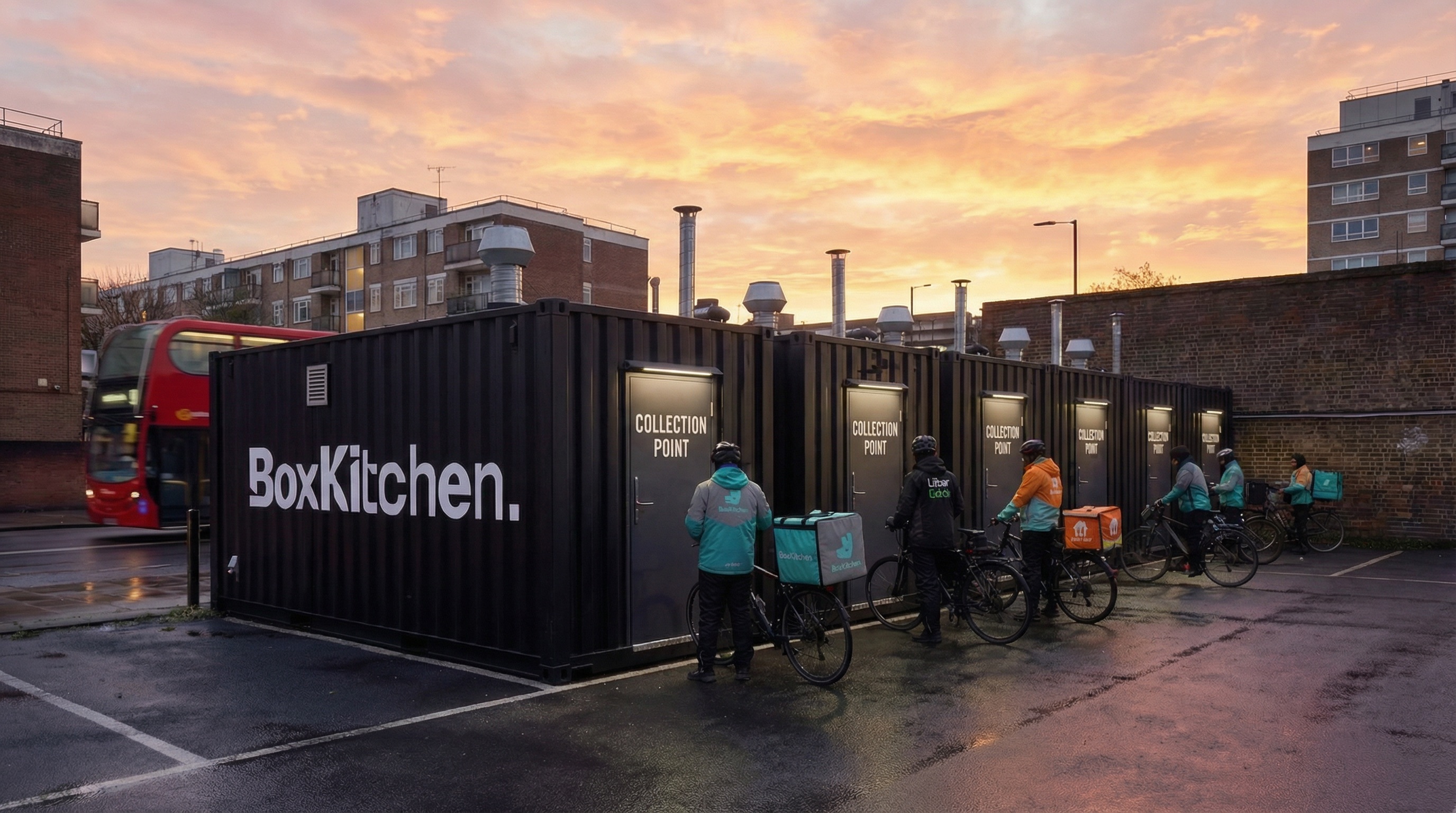
BoxKitchen was built specifically to solve that problem. We offer 20ft shipping containers, these are tough, weatherproof, internationally standardised and turn them into fully operational commercial kitchens and bar units. The kind that can be dropped onto a site, connected up, and trading inside a week.
The problem with traditional catering builds
If you've ever tried to set up a commercial kitchen from scratch (even a temporary one ) you'll know the process is slow, expensive, and full of dependencies. You need a builder, an electrician, a plumber, a gas engineer, an EHO sign-off, and someone who can coordinate all four at once. On a festival site or a landlord's car park, that's an almost impossible juggling act.
Traditional modular structures don't fix this. They're often low-spec, hard to insure, and look exactly like what they are a glorified portakabin. Landlords don't love them. Event organisers tolerate them. Customers can tell.
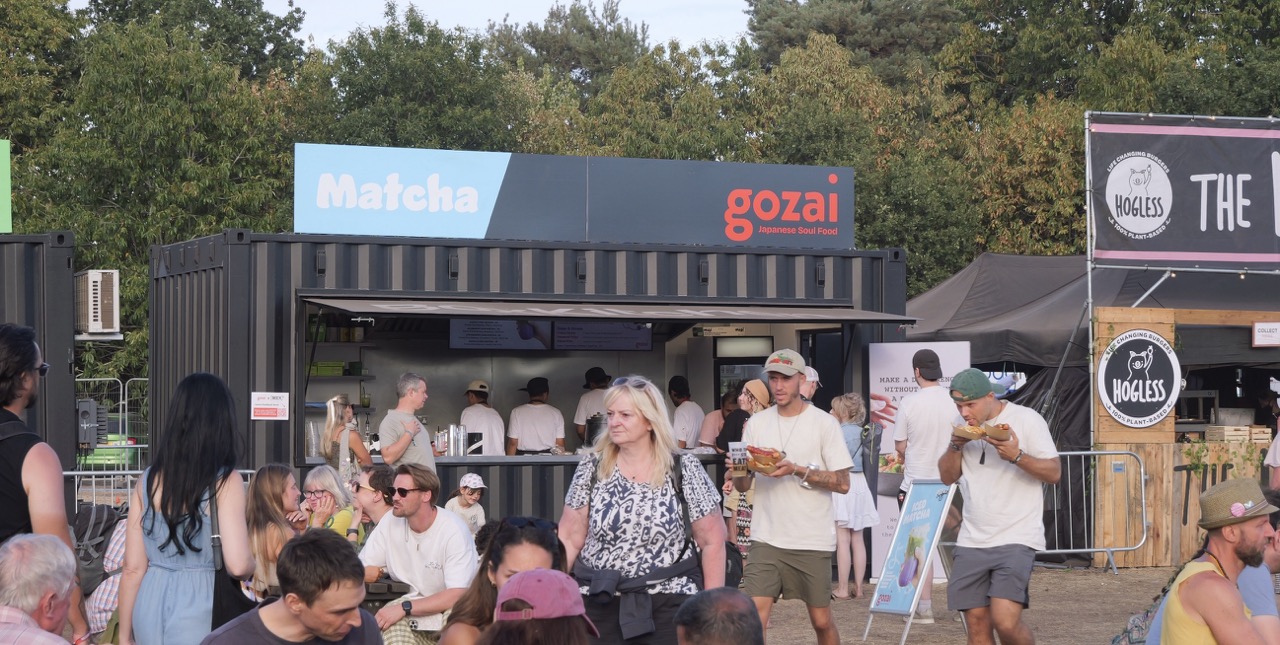
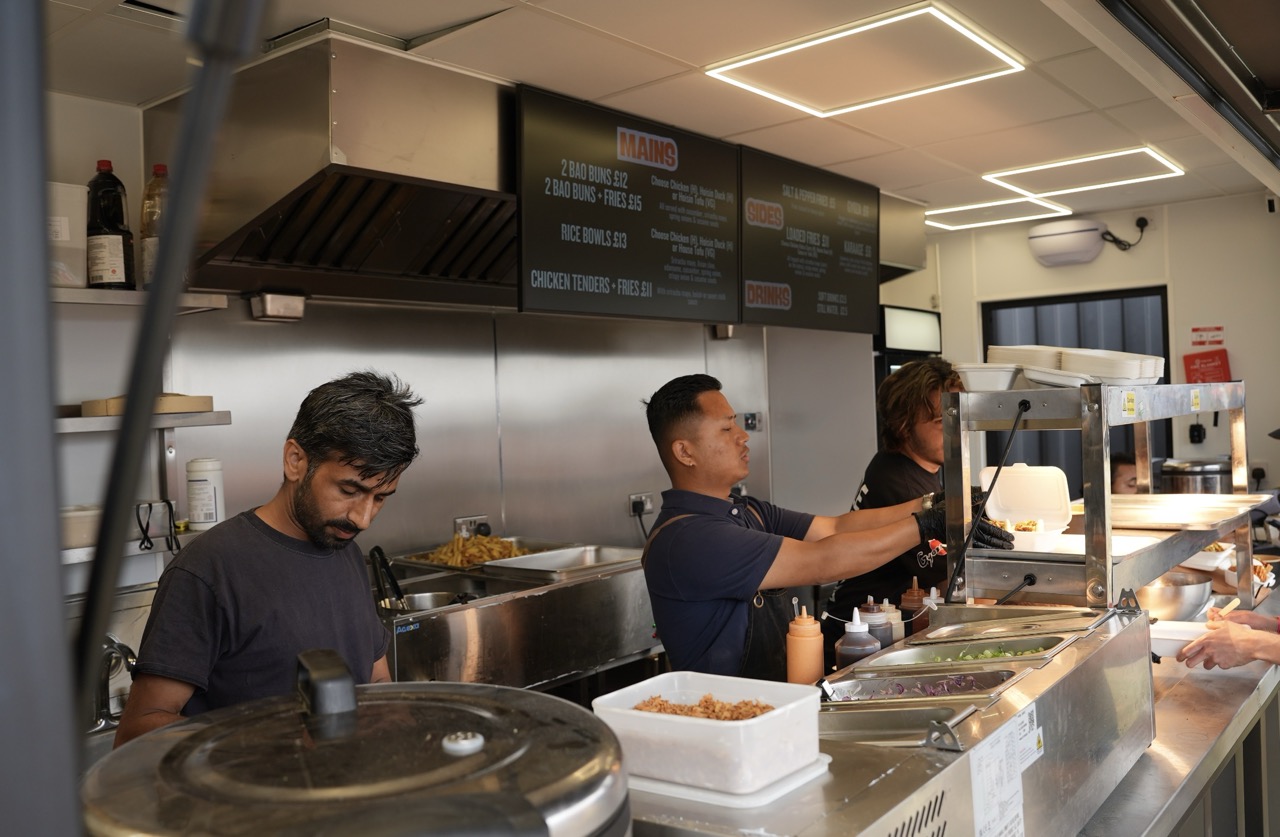
A BoxKitchen unit is different. These are precision-built commercial kitchens. Every unit ships with commercial-grade extraction, stainless steel fabrication, electrics to spec, and full EHO compliance documentation. They look industrial and purposeful because they are. They're not trying to disguise what they are they lean into it. And that aesthetic, it turns out, is exactly what street food markets, fan zones, and premium pop-up venues want.
20ft
Repurposed shipping container the world's most tested structure
<7
Days from delivery to trading, in most deployments
£1,250
Per week rental no long-term capital commitment required
The World Cup effect and what it means for catering operators
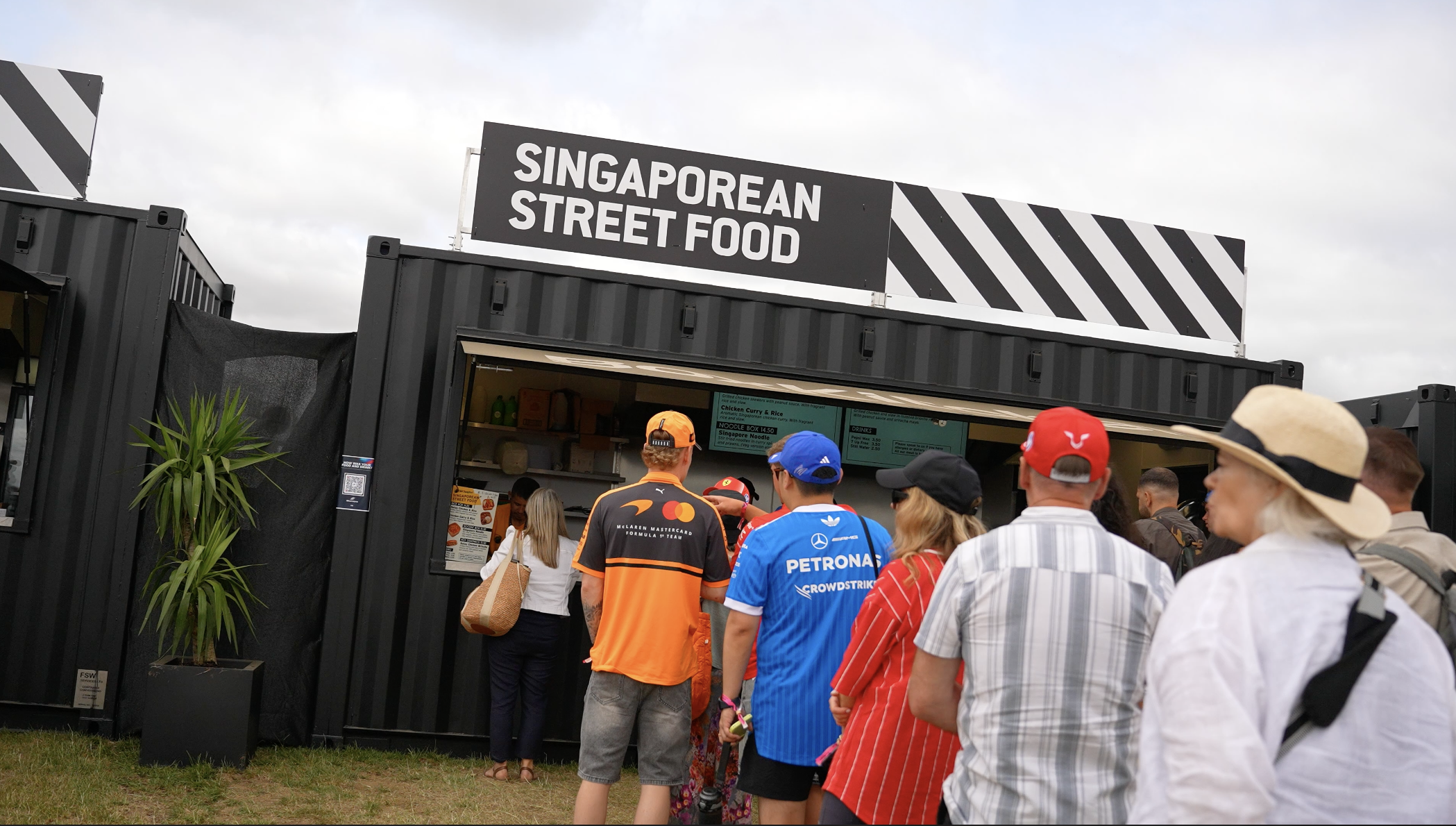
Right now, with the FIFA World Cup 2026 running through the summer, there's an extraordinary amount of demand for fan zone catering infrastructure across the UK. Pub gardens are at capacity. Hospitality operators are scrambling for additional outdoor cooking capability. Event organisers who've secured screen rights need to feed large crowds and they needed the catering solution yesterday.
This is exactly the scenario BoxKitchen was designed for. When a fan zone pops up on a car park, a rooftop, a retail estate, or a riverside, there's no time to commission a bespoke build. The unit needs to arrive ready. It needs to work first time. And once the tournament ends, it needs to move on to the next deployment without fuss.
The rental model makes this commercially straightforward. Rather than a six-figure capital investment in a structure that sits idle for ten months of the year, operators pay for the unit when they need it. Seasonal demand, seasonal commitment. The unit goes back. The balance sheet stays clean.
What a BoxKitchen unit includes as standard
• Full commercial extraction and ventilation system
• Stainless steel internal fabrication throughout
• Commercial gas or electric cooking suite (configuration to brief)
• 3-phase power connection and full electrical certification
• Plumbed hot and cold water, commercial wash facilities
• EHO-compliant layout with full documentation pack
• Structural certification ready for landlord and planning sign-off
• External branding and wrap options available
Who's using these units and why
The honest answer is: a much wider range of operators than you'd expect.
Street food market operators
Permanent and semi-permanent street food markets have been the most obvious early adopters. Operators like the BOXPARK estate where BoxKitchen has deep roots, given our founders Roger Wade and Frank Winterbottom built BOXPARK from the ground up have demonstrated that container-based retail and food concepts can be serious, high-turnover, long-term businesses. The aesthetic works for the audience. The economics work for the landlord. And the flexibility to reconfigure the site over time is something a traditional built environment simply can't offer.
JV landlords and property developers
This is an audience that often surprises people, but it makes complete sense when you think about it. A vacant retail unit costs money to maintain and generates no revenue. A containerised kitchen or bar unit dropped into that dead space a car park corner, a retail gap, a transition plot turns it into a revenue-generating F&B asset almost immediately. The unit doesn't require planning permission in the same way a permanent build does. It can be removed. And if the operator performs well, it becomes the business case for a more permanent investment.
Venues, stadia, and events teams
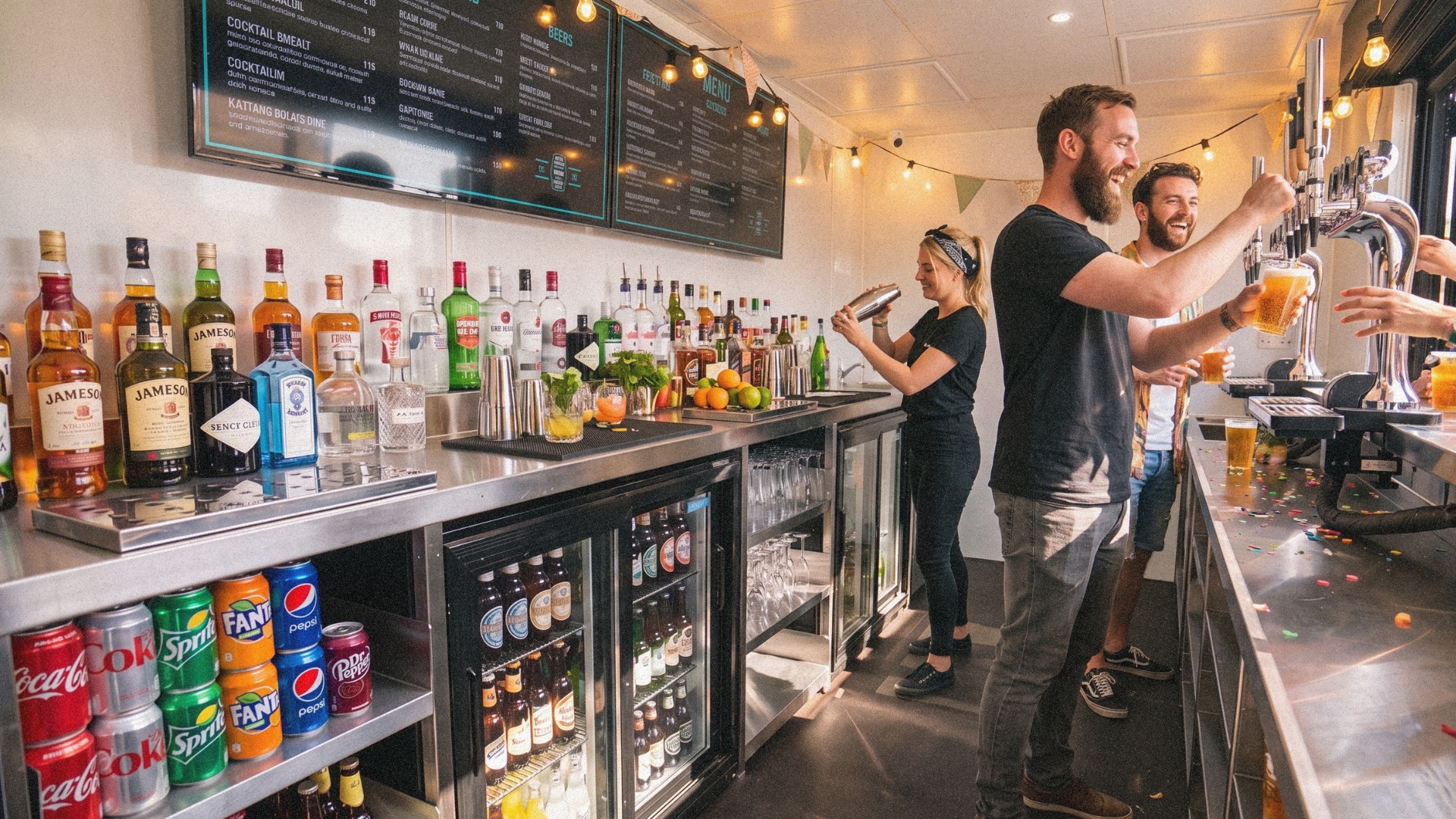
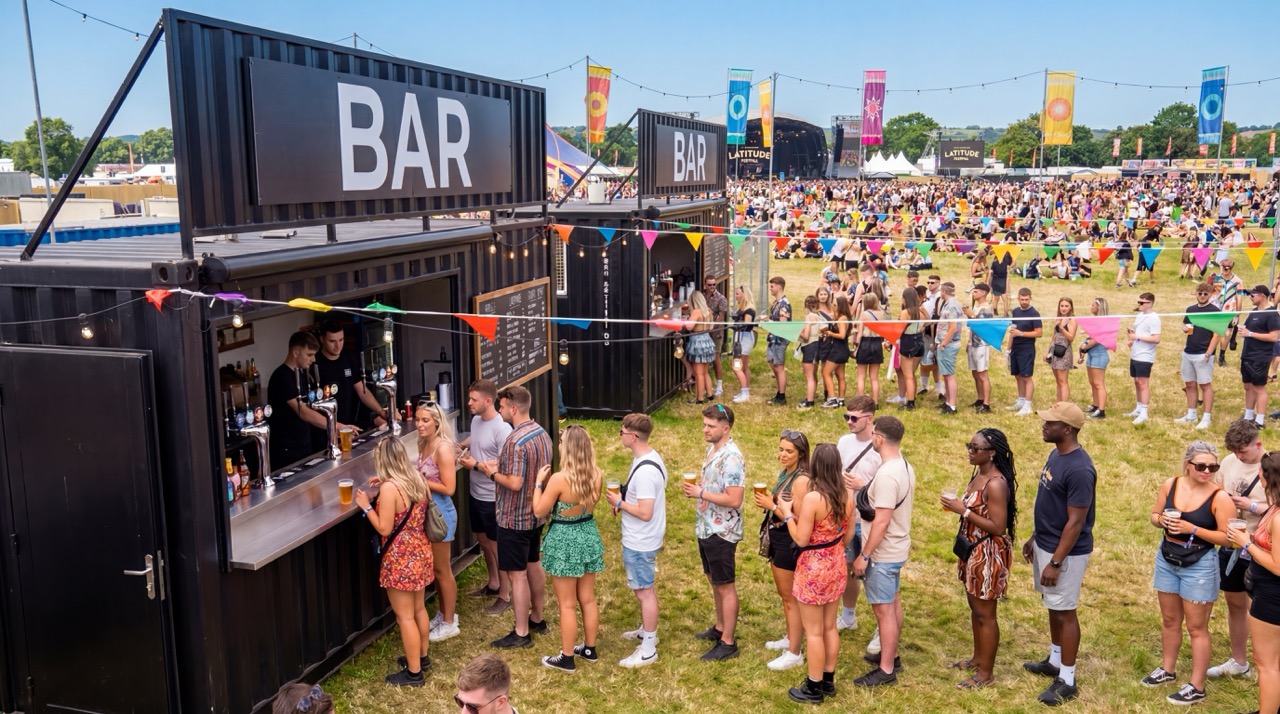
For venues that have hospitality in their core offer but need to extend trading capacity for specific events a race weekend, a concert, a summer festival BoxKitchen units solve a real problem. They can sit on back-of-house land, roll out to the carpark perimeter, or anchor a new outdoor trading zone. They're especially effective as standalone bar units for outdoor areas where running permanent services isn't viable.
Ambitious food operators scaling up
For chefs and food entrepreneurs who've outgrown their original format but aren't ready to sign a long commercial lease or for those testing a new concept before committing capital to a permanent site a rented BoxKitchen unit is a genuinely viable stepping stone. You get a real commercial kitchen, not a shared facility, not a cloud kitchen with constraints. Your own space, your own spec, your own hours.
Rent vs buy the honest breakdown
We offer both. And the right answer genuinely depends on what you're trying to do.
Rental at £1,250 per week makes sense for event-driven demand, seasonal operations, and operators who want to test a location before committing. The flexibility is the point. You're not tied to a site, a planning consent, or an asset that depreciates on your balance sheet.
Purchase makes sense when you've found the right location, you know the unit will be consistently deployed, and you want to own the infrastructure outright. Owner-operators often find that the unit pays for itself relatively quickly when it's in full-time commercial use and they have a tangible, depreciable asset at the end of it.
We're not going to push you toward one or the other. Both models work. The conversation we always encourage is about what flexibility is worth to you and whether the risk of a capital commitment is one you want to carry.
.svg)


.svg)